Missed Call Recovery: What It Is, How It Works, and How to Stop Losing Leads in 2026
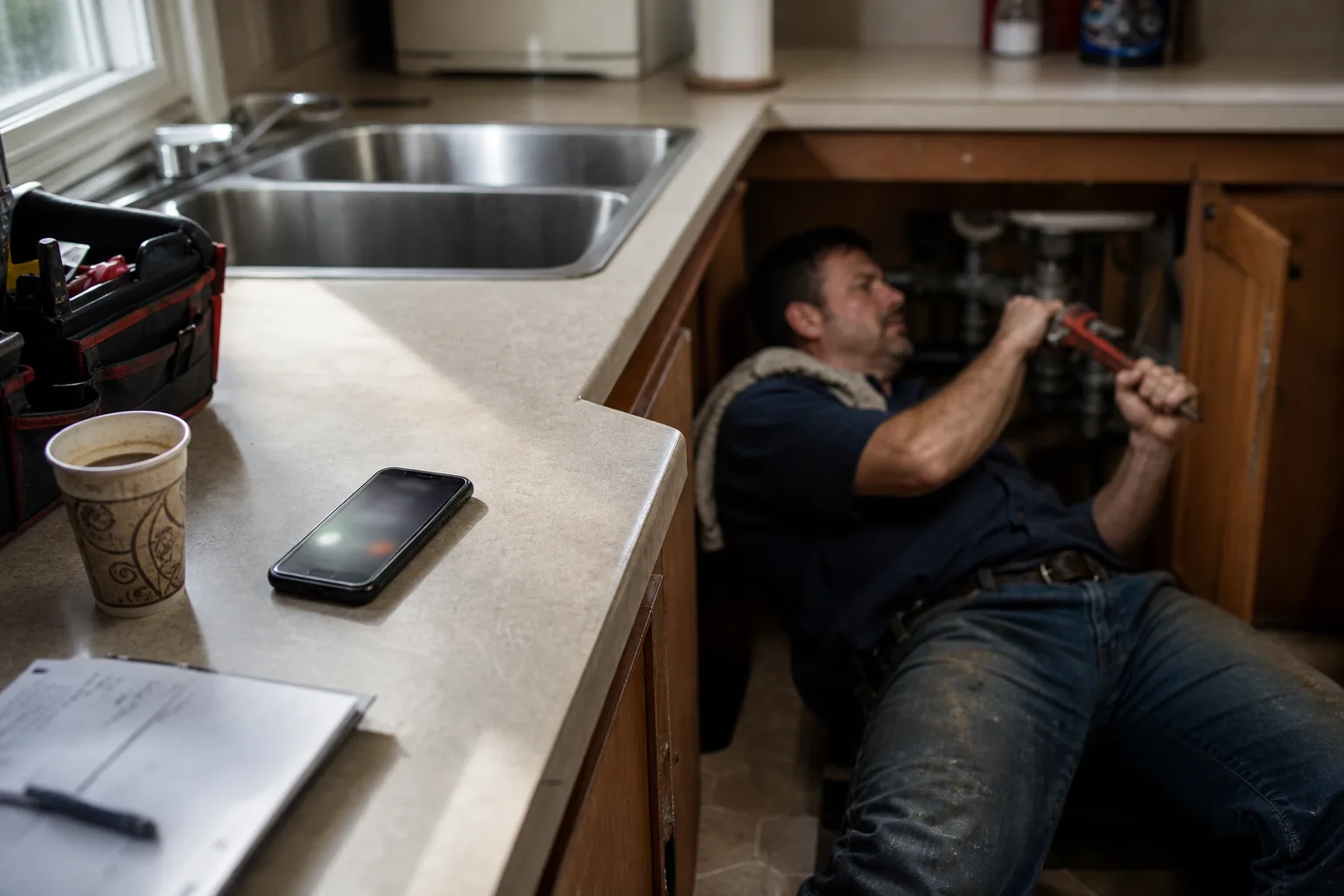
Missed call recovery is the set of automated responses, like instant text back, AI callbacks, and AI answering, that kick in when your business can't pick up the phone. Instead of losing that caller to a competitor, the system reaches out within seconds and keeps the conversation alive.
If you run a service business, this matters more than you might think. Research from Voksha found that businesses answer only 37.8% of inbound calls, and 80 to 85% of callers who reach voicemail hang up without leaving a message. Most of them call someone else.
This guide explains what missed call recovery actually is, how the systems work step by step, what they cost, and how to decide which level of recovery your business needs.
What Is Missed Call Recovery?
Missed call recovery is any automated process that responds to a caller after their call goes unanswered. The goal is simple: catch the lead before they move on. Common methods include an automatic SMS sent within seconds, an AI powered callback, or a full AI receptionist that answers the call so it never gets missed in the first place.
It's different from just logging a missed call. Plenty of phone systems will show you a notification saying someone rang at 2:14 pm and hung up. That's a record of a lost opportunity, not a recovery. Recovery means the system does something about it, in real time, without waiting for a staff member to notice.
Missed call recovery vs. missed call: why the distinction matters
A missed call is an event. Missed call recovery is a response. The gap between the two is where most small businesses lose money. You can have a perfectly detailed call log and still lose every single one of those callers.
Think of it this way: a missed call notification tells you the shop was unattended. A missed call recovery system is the person who runs after the customer in the car park and says, "Sorry, how can I help?"
Why Missed Calls Cost More Than You Think
Most callers don't leave voicemail. According to Voksha, about 62% of callers who can't reach a business call a competitor instead. That's not a slow leak. That's a pipe burst.
CallRail's January 2025 report, which analysed 1.1 million leads, found a missed call rate of 14% for home services, 32% for healthcare, 28% for legal, and 9% for real estate. Even the lowest of those numbers represents real money walking out the door every week.
A quick way to calculate your own revenue leak
Here's a simple formula: missed calls per week, multiplied by your average job value, multiplied by your close rate. Say you're a plumber missing 10 calls a week. Your average job is worth $400, and you close about half the calls you actually answer. That's 10 x $400 x 0.5, which is $2,000 per week in potential revenue you're not even quoting on.
Over a year, that's more than $100,000. Your numbers will differ, but run the calculation with your own figures. Most owners are surprised.
How a Missed Call Recovery System Works, Step by Step
The sequence is straightforward. A call comes in and nobody answers within a set number of rings. The system detects the unanswered call within seconds. An automated response fires immediately, usually a text message or an AI callback. The caller replies, the conversation continues, and the system either books an appointment, captures their details, or routes them to a human if needed.
The whole thing happens without anyone on your team lifting a finger. That's the point.
The three levels of recovery: text back, automated callback, and AI answering
Not all recovery is equal. There are three tiers, and each suits a different situation.
- Text back only: An instant SMS goes out saying something like "Sorry we missed you, how can we help?" It's cheap and fast, but it relies on the caller bothering to reply. Good for businesses with low call volume and simple enquiries.
- Automated AI callback: The system calls the person back within a minute or two and has a basic conversation. Better than text because it's proactive, but the caller may have already moved on or not pick up an unknown number.
- AI answering (prevention): An AI voice receptionist picks up the call live, so there's nothing to recover. It can answer questions, book appointments, and qualify leads in real time. This is the strongest option when missed calls are a daily pattern, not an occasional blip.
Callacy's missed call automation covers that third tier, answering every call so recovery becomes unnecessary.
Why Response Speed Decides Whether You Recover the Lead
Speed is everything here. A caller who just hung up from your voicemail is already dialling the next business on the list. Every minute you wait, the chance of getting them back drops sharply.
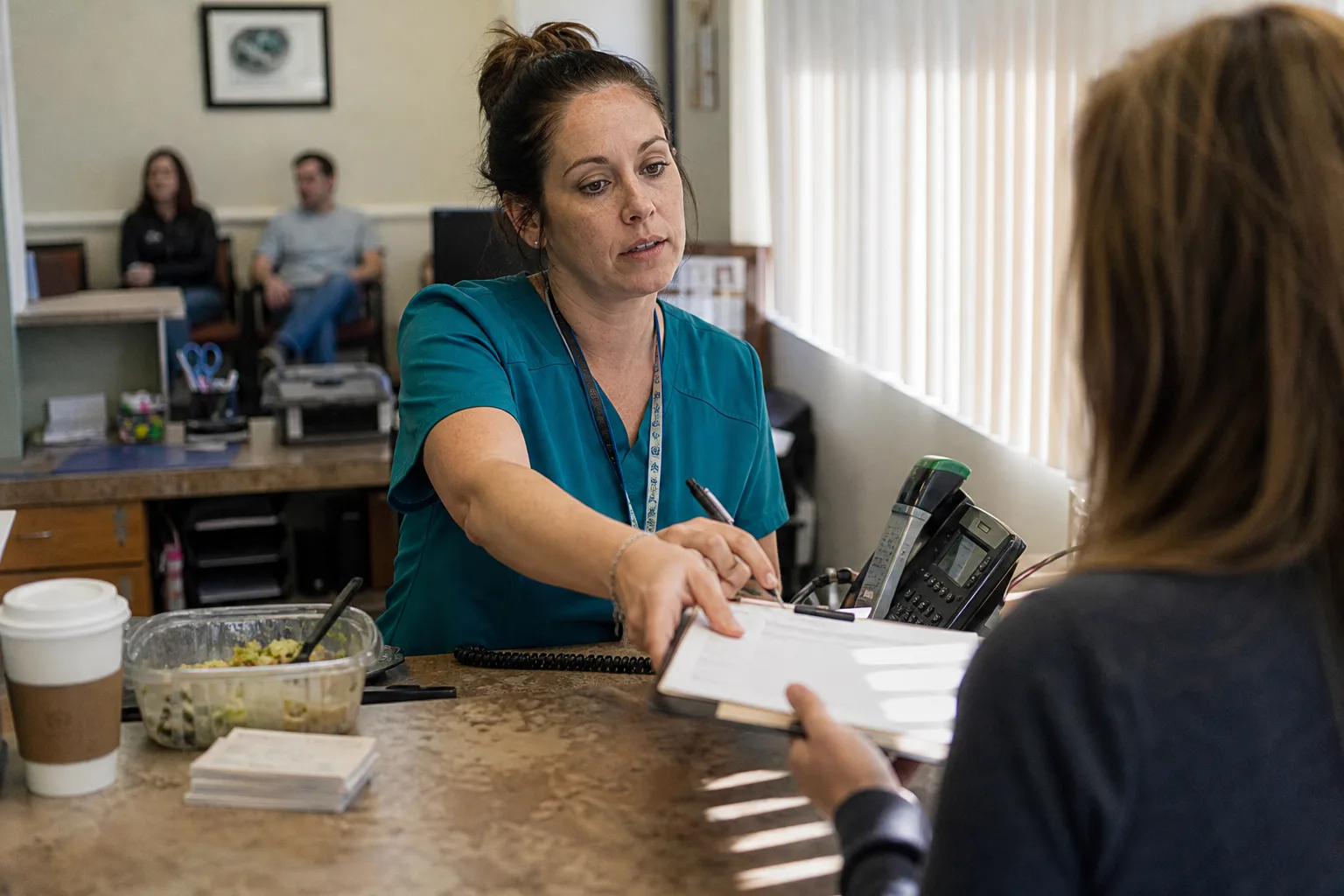
Speed to lead data from AInora shows that calling within five minutes is up to 21 times more effective than calling after thirty. And research compiled by SalesCaptain found that businesses responding to missed calls via text within the first minute achieve callback rates exceeding 90%.
Picture two dental practices on the same street. A new patient calls both at 12:15 pm during the lunch rush. Practice A's front desk is swamped, the call rings out, and someone rings back at 2 pm. Practice B has an automated text back that fires in 10 seconds, and the patient books through the reply. Same caller, same intent, completely different outcome.
Manual callbacks from busy staff almost never happen within five minutes. Automation doesn't get distracted, doesn't eat lunch, and doesn't forget.
Which Businesses Benefit Most From Missed Call Recovery
Any business that relies on inbound calls loses money when those calls go unanswered. But some industries feel it harder than others.
- Home services contractors: You're on a roof, under a house, or elbow deep in a switchboard. You physically cannot answer. A missed call recovery system catches those calls while you work. Callacy has a dedicated guide on AI answering for home service businesses if that's you.
- Healthcare and dental practices: The front desk is checking in patients, processing payments, and answering questions. Calls pile up during peak hours and lunch. CallRail's data shows healthcare has a 32% missed call rate, the highest of any industry they tracked.
- Law firms: One missed call could be a case worth thousands. Callers in legal situations are often stressed and impatient. They won't wait.
- Automotive shops: The team is under cars, the phone rings in an empty office. Recovery texts catch people who need a booking today.
- Real estate: Agents are at inspections and listings all day. A buyer enquiring about a property will call the next agent if you don't respond fast.
How to Choose a Missed Call Recovery App or System
There are plenty of options out there, and they vary wildly in quality. Before you commit to anything, run through a proper evaluation.
A buyer's checklist before you commit
- Works with your existing business phone number (no porting hassles or new numbers to hand out)
- Covers after hours, weekends, and public holidays, not just 9 to 5
- Integrates with your calendar and CRM so bookings and lead data flow through automatically
- The automated conversation actually sounds natural, not like a robot reading a script
- Gives you reporting on missed calls, recovery rates, and booked appointments
- Lets you set rules for when recovery fires (immediately, after three rings, only after hours)
If a system can't tick most of these, keep looking. For a broader comparison of what to look for, Callacy's breakdown of what makes the best AI answering service covers the key evaluation criteria.
What missed call recovery costs (and how to judge the value)
Pricing models vary. Some platforms charge a flat monthly subscription per line. Others charge per minute of AI conversation time, or per text message sent. A few bundle everything together.
The right way to judge cost isn't against other software. It's against the value of a single recovered customer. If your average job is worth $500 and the system recovers even two extra customers a month, it's likely paying for itself many times over. You can see how Callacy structures its plans on the pricing page.
From Recovery to Prevention: Answering Every Call
Here's the honest truth: the best missed call recovery is never missing the call. Text backs and callbacks are better than nothing, but they're still playing catch up. The caller already felt ignored, even if only for 30 seconds.
An AI voice receptionist flips the equation. It answers every call, 24 hours a day, 7 days a week. It books appointments directly into your calendar, qualifies leads by asking the right questions, and routes urgent calls to the right person. There's no recovery needed because there's no miss.
This matters most when your missed calls are structural, meaning they happen because of staffing limits, business hours, or call spikes you can't predict. If you're missing calls every single day, recovery is a bandage. Prevention is the fix. Callacy's AI phone answering handles this across industries, and the AI appointment booking feature means callers hang up with a confirmed time, not a promise someone will ring back.
If you want to understand the mechanics, the how it works page walks through the setup and call flow in plain terms.
Frequently asked questions
What is missed call recovery?
Missed call recovery is any automated system that responds to a caller after their call goes unanswered. It typically uses instant text back, AI callbacks, or AI answering to reengage the caller before they contact a competitor. The goal is to turn a missed call into a booked appointment or captured lead.
How does a missed call recovery system work?
When a call rings out, the system detects it within seconds and fires an automated response. That might be an SMS, an AI callback, or a live AI receptionist answering the call directly. The conversation continues toward booking an appointment or collecting the caller's details, all without staff involvement.
How fast should a text back or callback go out after a missed call?
Within the first minute is ideal. Research compiled by SalesCaptain shows businesses that respond via text within 60 seconds see callback rates above 90%. After five minutes, your chances drop significantly. After thirty minutes, most callers have already booked with someone else.
Does missed call recovery work with my existing business phone number?
In most cases, yes. Good missed call recovery systems connect to your current number through call forwarding or integration with your phone provider. You shouldn't need to change your number or hand out a new one to customers. Always confirm this before signing up.
What is the difference between a missed call and an abandoned call?
A missed call means nobody answered and the caller hung up, often after hearing voicemail. An abandoned call usually refers to a caller who hung up while waiting in a queue or on hold. Both represent lost opportunities, but abandoned calls suggest the caller tried harder to reach you before giving up.
Is an automated text back enough, or do I need an AI that actually answers the call?
It depends on your call volume and how often you miss calls. If it's occasional, a text back can work well. If you're missing calls daily because of staffing or hours, an AI receptionist that answers live is a stronger solution. It eliminates the miss entirely rather than chasing callers after the fact.