What Is Call Handling? A Plain English Guide for Small Businesses
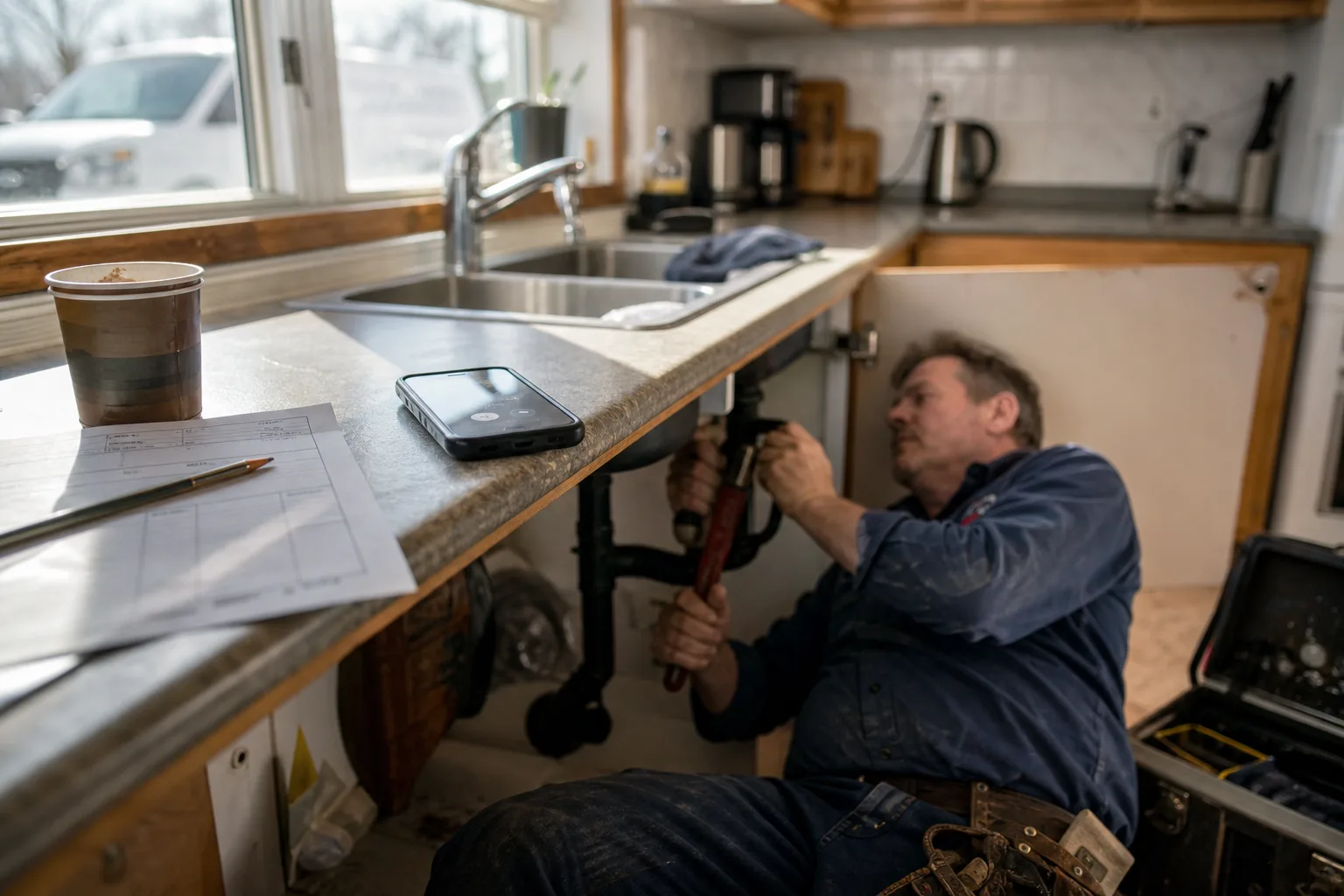
Call handling is the process of managing your business's phone calls from the moment they come in until the caller's need is resolved. That covers answering promptly, figuring out what the caller wants, booking the job or appointment, taking a message, or routing the call to the right person.
If you run a clinic, law firm, salon, or home services business in Canada, call handling is quietly deciding how much revenue you keep. Every unanswered ring is a potential booking that goes to a competitor instead.
This guide explains what call handling actually means, what a well handled call looks like step by step, and how to improve yours without hiring full time reception staff. If you're weighing up options like an AI receptionist for your Canadian business, this will help you decide.
What Is Call Handling? (Definition and Meaning)
Call handling means everything that happens to a business phone call, from the first ring to the moment the caller hangs up with their question answered or their next step confirmed. It includes answering, listening, resolving or routing, and closing the call professionally.
The term comes from the call centre world, but it applies just as much to a two person plumbing company as it does to a bank. Whoever answers your phone, and whatever process they follow, that is your call handling.
Inbound vs. outbound call handling
Inbound call handling is answering calls that come to you: customers booking appointments, asking about pricing, or checking their order status. Outbound call handling is calls your business makes: appointment reminders, follow ups on quotes, or sales calls.
Most small businesses care mainly about inbound. That's where the money walks in or walks out. Outbound matters too, but if your inbound calls are going to voicemail, fix that first.
What Is a Call Handler?
A call handler is whoever (or whatever) answers and manages your business's calls. That could be an in house receptionist, a call centre agent, an outsourced answering service, or increasingly an AI receptionist that picks up around the clock.
Whatever form it takes, a call handler's job is the same:
- Answer promptly, ideally within a few rings
- Identify what the caller actually needs
- Book the appointment, take the order, or route the call to the right person
- Capture accurate details: name, number, reason for calling
- Confirm next steps so the caller knows what happens after they hang up
Notice that none of this requires a human. It requires a reliable process. That's why more Canadian businesses now treat call handling as a system to design, not just a desk to staff.
How Call Handling Works: The Anatomy of a Well Handled Call
Good call handling follows a predictable flow. Here's what it looks like when a patient calls a dental clinic to book a cleaning.
- Greeting and identification. The call is answered within a few rings with the business name and a warm tone: "Good afternoon, Bright Smile Dental, how can I help you?" The caller instantly knows they've reached the right place.
- Discover the reason for calling. The handler asks a simple open question and listens. The patient wants a cleaning, ideally next week, and mentions a sensitive tooth.
- Resolve or route. The handler checks the calendar, offers two times, and books Thursday at 10. The sensitive tooth gets flagged in the notes so the hygienist knows.
- Confirm details and next steps. Date, time, and any prep instructions are repeated back. The patient is told a reminder text will arrive the day before.
- Close professionally. A friendly sign off, and the call ends with nothing left vague.
Five stages, under three minutes. When any stage gets skipped, usually the confirmation step, callers hang up unsure and often call a competitor "just to compare."
Why Call Handling Matters for Your Business
Phone calls are still how most customers contact local service businesses, and callers are impatient. When Sussex Police published their emergency response figures, they reported answering 22,077 emergency calls in a single November with an average answer time of 4 seconds. Your customers aren't expecting emergency line speed, but the principle holds: people judge you by how fast you pick up.
The real cost of missed and mishandled calls
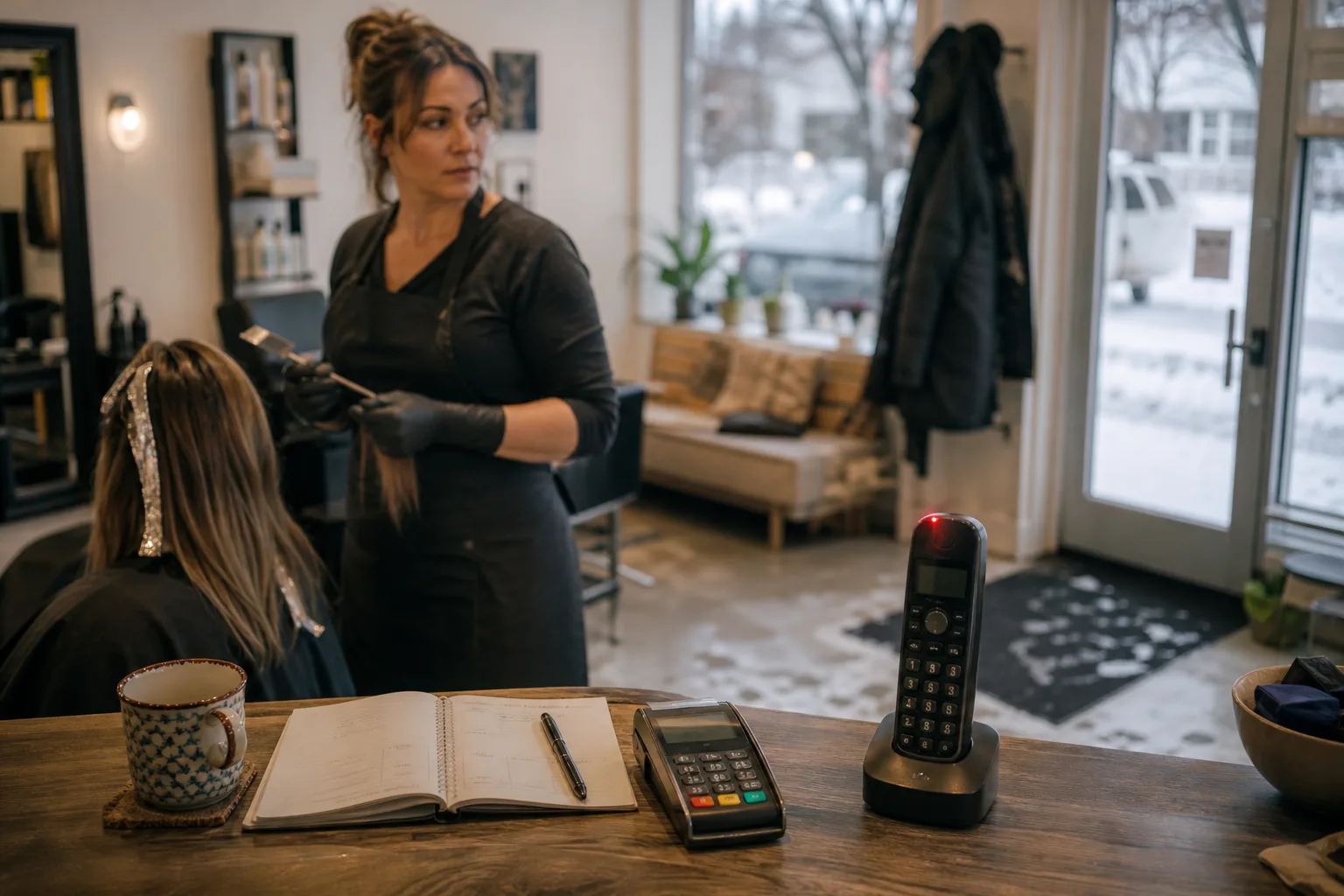
Most callers who reach voicemail don't leave a message and don't call back. They dial the next business on the list. For a clinic, that's a lost appointment. For a law firm, a lost client. For a plumber, a lost job worth hundreds of dollars.
Poor call handling costs you even when you do answer: abandoned calls from long hold times, frustrated customers who leave bad reviews, and staff pulled away from billable work to play phone tag. Get it right and the upside is direct: more booked jobs, better reviews, and hours of staff time freed up every week.
Essential Call Handling Skills
Whether you're training a receptionist or evaluating a service, these are the call handling skills that matter. Each one has a visible behaviour you can listen for.
- Active listening. The handler lets the caller finish, then paraphrases: "So you need someone out before Friday, is that right?" No interruptions, no assumptions.
- Clear, friendly communication. Plain words, no jargon, a steady pace. The caller never has to ask "sorry, what was that?"
- Empathy and patience. A stressed caller with a flooded basement gets acknowledgment first ("That sounds stressful, let's get this sorted") before logistics.
- Staying calm under pressure. Upset callers get slower, softer responses, not defensiveness. The goal is to lower the temperature, not win the argument.
- Problem solving. When the exact request isn't possible, the handler offers the nearest alternative instead of a flat no.
- Business knowledge. The handler knows your services, hours, and service area well enough to answer or route accurately on the first try.
That last one is where generic answering services often fall down, and where a well configured AI receptionist trained on your business details can genuinely shine.
Call Handling Options: Staff, Services, or AI
You have three realistic ways to handle calls. Each has honest trade offs.
| Option | Strengths | Trade offs |
|---|---|---|
| In house receptionist | Personal touch, knows your business deeply | Business hours only, sick days and holidays, salary plus benefits and training costs |
| Outsourced answering service | Extended hours, no hiring or managing staff | Generic scripts, agents juggle many businesses, per call or per minute billing that climbs with volume |
| AI receptionist | 24/7 coverage, consistent every call, books appointments and qualifies leads, flat subscription pricing | Best paired with a human escalation path for complex or sensitive calls |
Pricing structures differ more than price tags. In house means a fixed salary whether the phone rings twice or two hundred times. Answering services typically charge per call or per minute, so a busy month costs more. AI receptionists usually run on a flat subscription, which makes budgeting predictable. You can see how Callacy structures its plans on the Callacy pricing page.
How to choose the right setup for your business
- What hours does it cover? Evenings and weekends are when many service calls come in.
- Can it actually book appointments into your calendar, or just take messages?
- How are messages and call summaries delivered to you?
- Can it handle bilingual callers? In Canada, French and English support is a real expectation.
- What happens when a call needs a human? Is there a clean escalation path?
- For clinics and law firms: is it built with privacy and compliance awareness in mind?
For a side by side look at how these categories stack up, the Callacy comparison page breaks down the differences in more detail.
How to Tell If Your Call Handling Is Working
You can't fix what you don't measure. Four numbers tell you almost everything:
- Missed call rate. What percentage of calls go unanswered? Check your phone system's logs for the last month.
- Speed to answer. How many rings before someone picks up?
- First call resolution. How often does the caller get what they need without a callback?
- Conversion to bookings. How many inbound calls turn into appointments or jobs?
Then run this quick self assessment:
- Do after hours calls reach anyone, or hit a voicemail dead end?
- Does every caller hang up knowing their next step?
- Are messages accurate and delivered promptly?
- Can callers book without waiting for a callback?
Two quick wins you can apply this week: first, call your own business after hours and listen to what a customer hears. Second, give whoever answers a one page cheat sheet of your services, hours, and booking rules. Honestly, those two alone fix a surprising share of call handling problems.
Frequently asked questions
What is call handling in simple terms?
Call handling is how your business manages phone calls from the moment they ring until the caller's need is resolved. It covers answering, understanding the request, booking or routing, and confirming next steps. Good call handling means no call is missed and no caller hangs up confused.
What is a call handler and what do they actually do?
A call handler is whoever or whatever answers your business calls: an in house receptionist, an outsourced answering service, or an AI receptionist. Their job is to answer promptly, identify the caller's need, book or route the call, capture accurate details, and confirm what happens next.
What are the most important call handling skills?
The core call handling skills are active listening, clear and friendly communication, empathy, staying calm with upset callers, problem solving, and solid knowledge of the business. Each one shows up as a concrete behaviour you can listen for, like paraphrasing the caller's request back to them before acting on it.
What is the difference between inbound and outbound call handling?
Inbound call handling is answering calls that come to your business, like bookings and inquiries. Outbound call handling is calls your business makes, like appointment reminders and follow ups. Most small businesses should prioritise inbound, because that's where new revenue arrives.
What is the difference between call handling and a virtual receptionist?
Call handling is the overall process of managing calls. A virtual receptionist is one way of doing it: a remote person or an AI system that answers calls on your behalf. So a virtual receptionist is a tool, and call handling is the job that tool performs.
Can AI handle business calls instead of a person?
Yes, for the majority of routine calls. Modern AI receptionists answer 24/7, book appointments, qualify leads, and answer common questions in natural conversation. The smart setup pairs AI with a human escalation path for sensitive or unusual situations, so nothing falls through the cracks.