Best 24/7 Call Answering Service for Small Business: 2026 Buyer's Guide
The best 24/7 call answering service for a small business is the one that answers every call correctly, fits your call volume, and costs less than the revenue those calls bring in. For most Canadian small businesses in 2026, that choice comes down to three categories: live human operators, virtual receptionist companies, and AI receptionists.
This guide skips the ranked listicle format. Instead, you'll get a decision framework: what each type actually does, how pricing really works, and which one fits a clinic getting 4 calls a day versus a plumbing company getting 40.
By the end, you'll know exactly what to test before you sign anything.
Why 24/7 Call Answering Matters for Small Businesses
Most small businesses still miss a big share of their inbound calls. Research cited by Abby Connect found 62% of calls to small and mid sized businesses go unanswered, and about 80% of callers hang up rather than leave a voicemail. That's the commercial problem in two numbers.
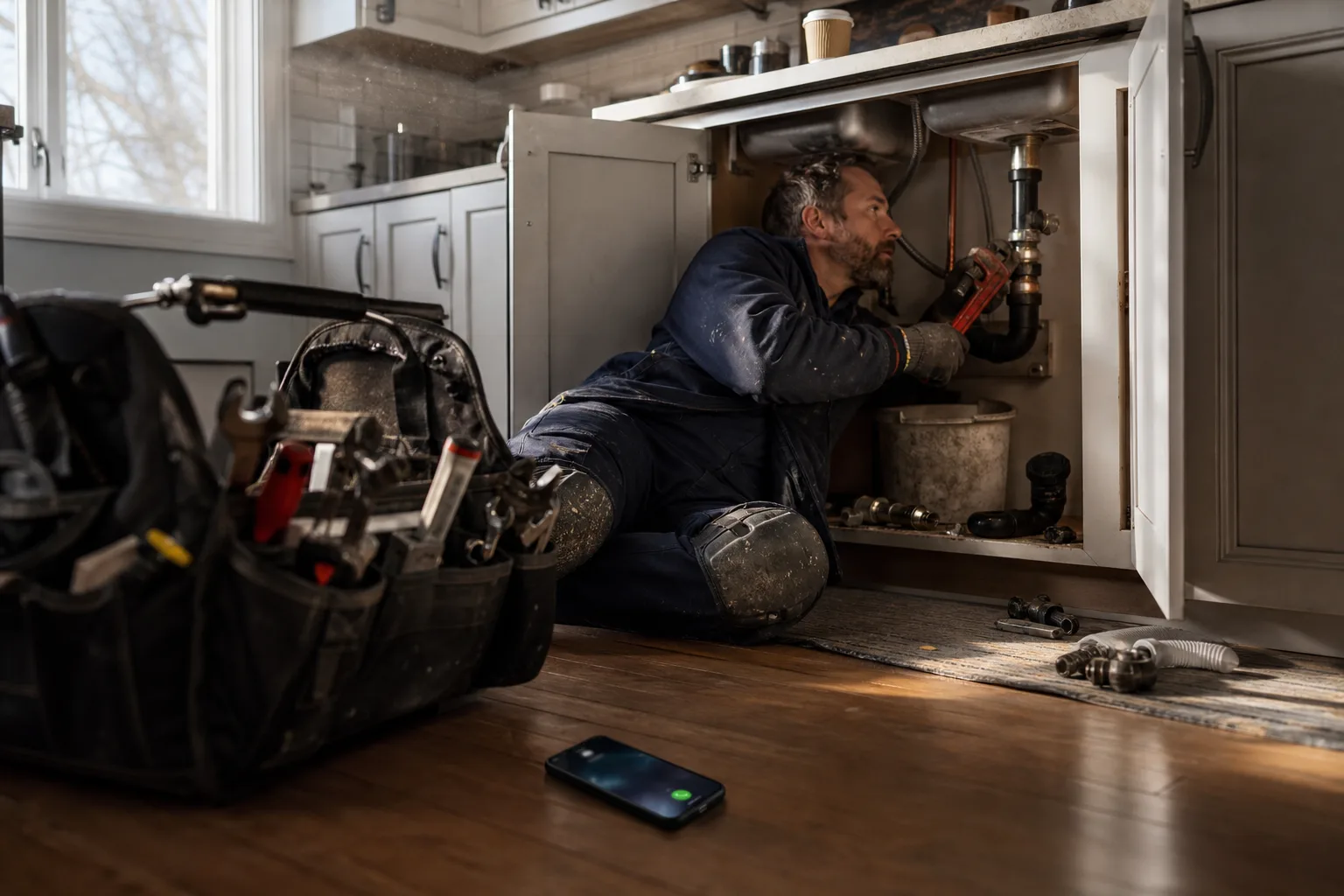
The real cost of a missed call. Say you run a home services business. A furnace dies at 9pm in January, the homeowner calls you, gets voicemail, and calls the next name on the list. Nextiva's research roundup puts it plainly: about 82% of people whose calls go unanswered do not call back and may contact a competitor instead. If that emergency job was worth $800 and it happens twice a week, you're leaking over $80,000 a year.
Voicemail doesn't save you. Neither does a callback the next morning, because by then the job is booked with someone else.
What after hours callers expect in 2026. Callers now expect an immediate, useful response at any hour. Abby's data shows 82% of consumers expect an immediate response to inquiries, and that expectation doesn't switch off at 5pm. 'Immediate' means someone (or something) picks up, understands the request, and takes an action: booking, dispatching, or capturing details. A recorded greeting is no longer a response.
The Three Types of 24/7 Answering Services
Every 24 hour call answering service on the market falls into one of three buckets, or a hybrid of them. Knowing the bucket tells you most of what you need about cost, quality and limits.
Live human answering services. Traditional live operator services and virtual receptionist companies put a real person on every call. Operators follow your script, take messages, and sometimes book appointments. The strength is empathy and judgement: a human can calm a distressed caller or handle a weird request that wasn't in the script. The limits are cost (you pay for human time, usually per minute), concurrency (one operator, one call), and consistency across shifts and agents.
AI receptionists and hybrid models. An AI receptionist built for Canadian businesses answers with a human like voice, handles unlimited simultaneous calls, books appointments, qualifies leads and answers routine questions, all at a flat software style cost. The strength is consistency: call 1 and call 1,000 get the same accurate handling. The honest limitation is that highly emotional or genuinely unusual conversations still suit a person. Hybrid models route routine calls to AI and escalate complex ones to humans, which is where the market is heading.
AI Receptionist vs Live Answering Service: How to Choose
This is the real decision for most buyers. Forget brand names for a moment and compare the categories on what actually matters to your phones.
Where AI reception wins:
- Cost structure: flat monthly pricing instead of per minute billing, so a busy month doesn't blow up your bill.
- Consistency: every caller gets the same script, the same accuracy, at 2pm or 2am.
- Scalability: ten calls at once during a storm or a promo? AI answers all ten. Humans queue.
- Booking accuracy: direct calendar integration means no double bookings from message relay errors.
- Speed to answer: no hold queue, ever.
Concrete scenario: a patient calls your dental clinic at 11pm with a broken tooth. The AI checks your real calendar, books the 8am emergency slot, and texts a confirmation. Done in two minutes.
Where humans still matter. A distressed family member calling a law firm about an arrest needs empathy and improvisation, not a script. Humans also win on genuinely ambiguous requests and on callers who refuse to talk to anything automated. The practical question: what share of your calls are routine (booking, hours, pricing, directions, lead capture) versus emotional or complex? For most clinics, salons and home services, routine is 80% or more of volume.
What It Costs: Pricing Models Explained
You won't find honest prices in most listicles, so here's how to compare any quote you get. Answering services charge in four main ways, and the model matters more than the sticker number.
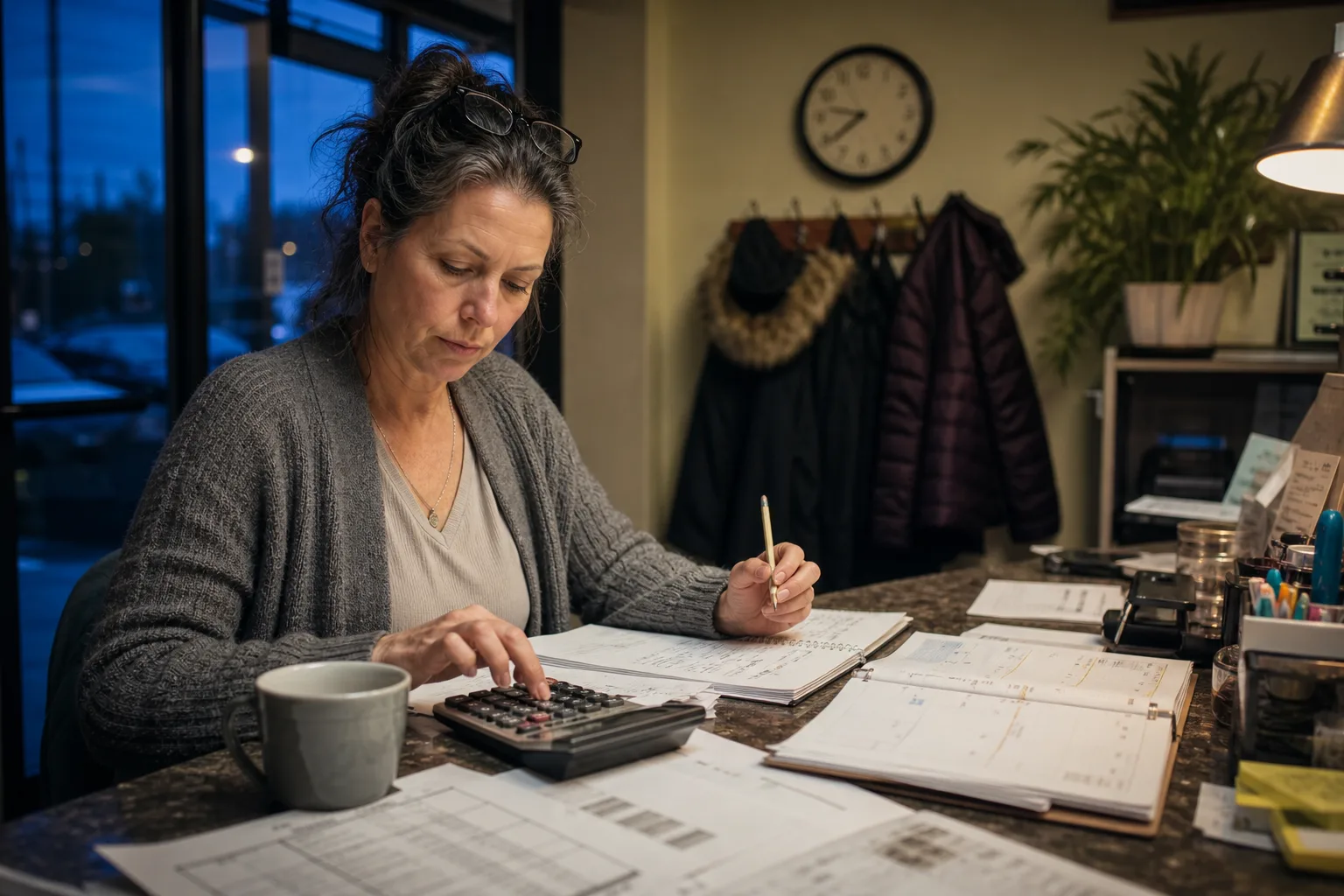
Per minute and per call billing. Live services typically bill per minute of operator time (including hold and wrap up time) or per call. This looks cheap at low volume and gets expensive fast: 30 calls a day at 3 minutes each adds up quickly. Per call billing is easier to forecast but watch how they define a 'call' (wrong numbers and hang ups sometimes count).
Flat monthly plans and what to watch for. AI receptionists and some virtual receptionist plans charge a flat monthly subscription, sometimes with a call or minute cap. This is the model behind most 'cheap answering service for small business' searches, and it's genuinely predictable. The traps to check on any plan:
- After hours, weekend or holiday surcharges (ironic for a 24/7 service, but common with live operators).
- Overage rates once you pass your included minutes.
- Setup, scripting or onboarding fees.
- Contract length and cancellation penalties.
To compare quotes fairly: estimate your monthly calls, multiply by your average call length, then price each option at that volume. See how Callacy structures its plans for a flat rate reference point.
How to Match a Service to Your Business
Here's the framework listicles skip. Match the service type to your volume and your call mix, not to a ranking.
By call volume:
- Under about 5 calls a day: a flat rate AI plan or a low tier per call plan. Per minute live billing will feel fine until it doesn't.
- 5 to 30 calls a day: flat rate wins on cost predictability; live per minute billing starts to sting.
- 30+ calls a day or spiky volume: AI or hybrid, because concurrency matters and per minute costs scale linearly while flat rates don't.
By industry and call type:
- Appointment driven (clinics, salons, dental): you need real calendar booking, not message taking. AI receptionists with direct scheduling integration are built for exactly this.
- Emergency dispatch (plumbers, HVAC, electricians): you need instant answering plus fast escalation to your on call phone. Test the escalation path before buying.
- Intake heavy professional services (law firms, accountants): lead qualification and detailed intake forms matter most; consider hybrid if your callers are often distressed.
Canadian specifics: if you serve Quebec or Ottawa, bilingual English and French coverage is nonnegotiable, so confirm it's genuine and not a bolt on. Check time zone handling if you serve multiple provinces, and ask where call recordings and customer data are stored. A Canadian focused AI receptionist keeps data residency and bilingual expectations in view by design.
Evaluation Checklist Before You Sign Up
Bring these questions to any sales call, whether you're vetting a live service, a virtual receptionist company or an AI platform:
- Can I hear real call recordings (or a live demo) with a business like mine?
- Will it book directly into my actual calendar, and can I watch a test booking happen?
- How are urgent calls escalated to me, and how fast?
- What's the contract length, and what does cancellation cost?
- Which of my tools does it integrate with (calendar, CRM, practice management software)?
- Are there after hours surcharges, overage rates or setup fees?
- Is bilingual English and French handling included, and where is my call data stored?
- Can I run a short paid pilot before committing?
The single best test: call the service yourself after hours with your toughest real scenario. If it fumbles, walk away.
A one week pilot with real calls tells you more than any demo. How Callacy works is a useful benchmark for what a modern setup process should look like.
Getting Started With Round the Clock Coverage
Setup in 2026 is faster than most owners expect. For AI reception, you forward your existing number (or get a new local one), load your business info, services, pricing and FAQs, connect your calendar, and make a handful of test calls. That's typically live within days, not weeks. Live services take longer because scripts need writing and operators need training on your account.
The best small business phone answering service isn't the one with the most features. It's the one that answers every call correctly, at a cost that fits your volume, with an escalation path you trust. Test it with your toughest scenario, then decide.
Frequently asked questions
What is the best 24/7 call answering service for a small business?
There's no single winner, only the best fit for your call mix. If most of your calls are routine (booking, hours, lead capture), an AI receptionist gives you consistent 24/7 coverage at a flat cost. If your calls are often emotional or complex, a live or hybrid service earns its premium. Use the checklist above and a one week pilot to decide with real calls.
How much does a 24/7 answering service cost per month?
It depends on the pricing model. Live services bill per minute or per call, so your monthly cost scales with volume and average call length. AI receptionists usually charge a flat monthly subscription, which stays predictable as volume grows. Estimate your monthly calls and minutes, then price each quote at that volume to compare fairly.
Is an AI receptionist as good as a live human answering service?
For routine calls, often better: instant answering, unlimited simultaneous calls, and identical accuracy on every call. For distressed callers or genuinely unusual requests, humans still have the edge. An AI versus live service comparison breaks down where each category wins.
What is the cheapest way to have my business calls answered around the clock?
At low volume, a low tier per call live plan or an entry AI plan is cheapest. As volume grows past roughly 5 to 10 calls a day, flat rate AI plans usually win because per minute live billing scales with every call. Watch for after hours surcharges and overage fees, which quietly erase a cheap headline price.
Can an answering service book appointments directly into my calendar?
Yes, but only some do it live. AI receptionists with calendar integration book into your real availability in real time and send confirmations. Many live services still take a message and relay it, which creates lag and double booking risk. Always watch a test booking happen before you sign.
Do answering services work for very small businesses that only get a few calls a day?
Yes, and they often need one most, because every missed call is a bigger share of revenue. At 2 to 5 calls a day, a flat monthly plan is easy to justify if even one captured job or appointment covers the fee. Run your own numbers: missed calls per week, times average job value.